Gearbox Repair Service: Which Gearbox Is Better for Drivers and Passenger Cars?
Choosing the right gearbox matters for your running costs, driving comfort, and long-term maintenance needs as a Canberra car owner. A quality gearbox repair service can keep either type running reliably, but understanding the differences between manual and automatic gearboxes may help you make a smarter decision for your next passenger car.
Manual vs. Automatic Gearbox: What Is the Core Difference?
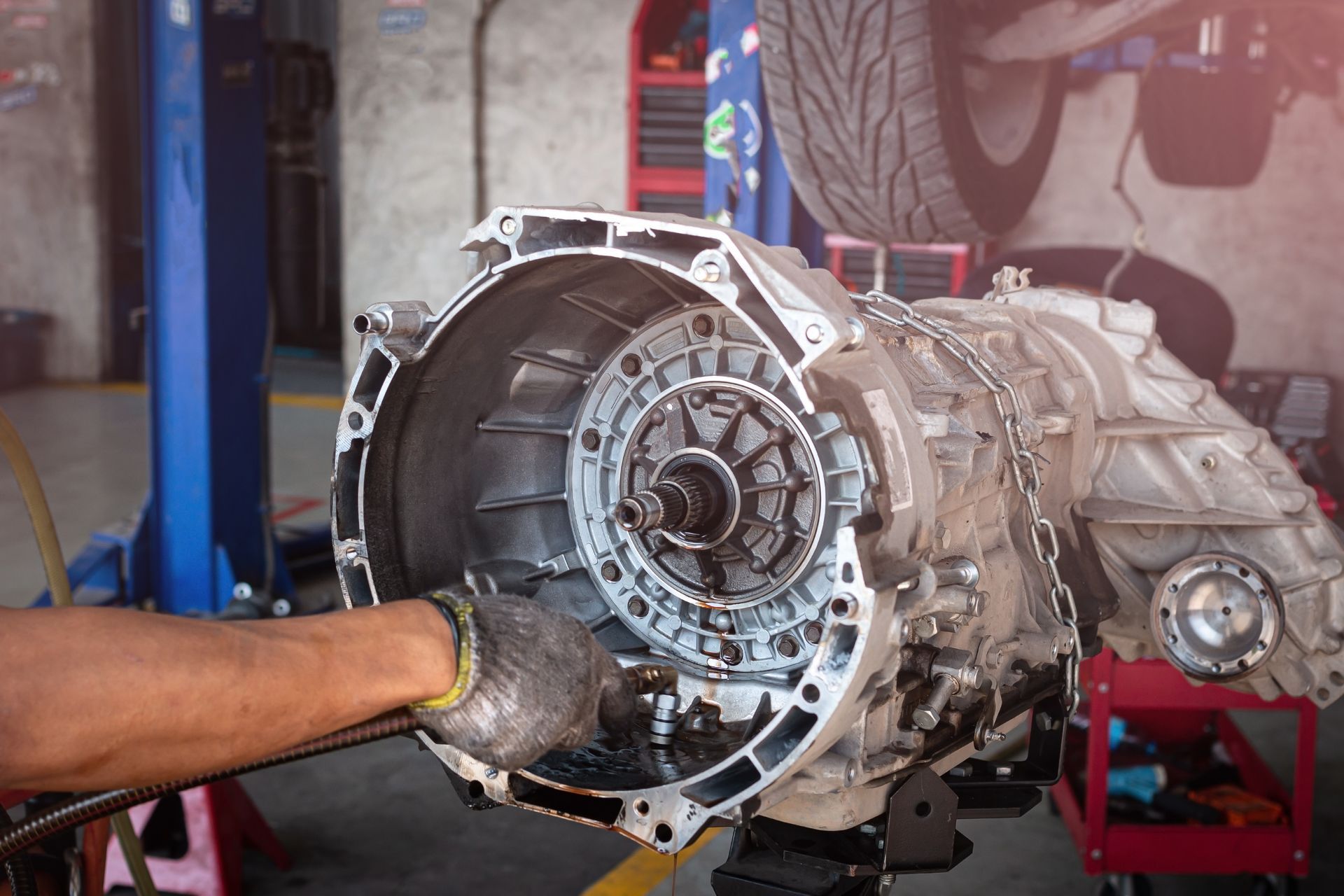
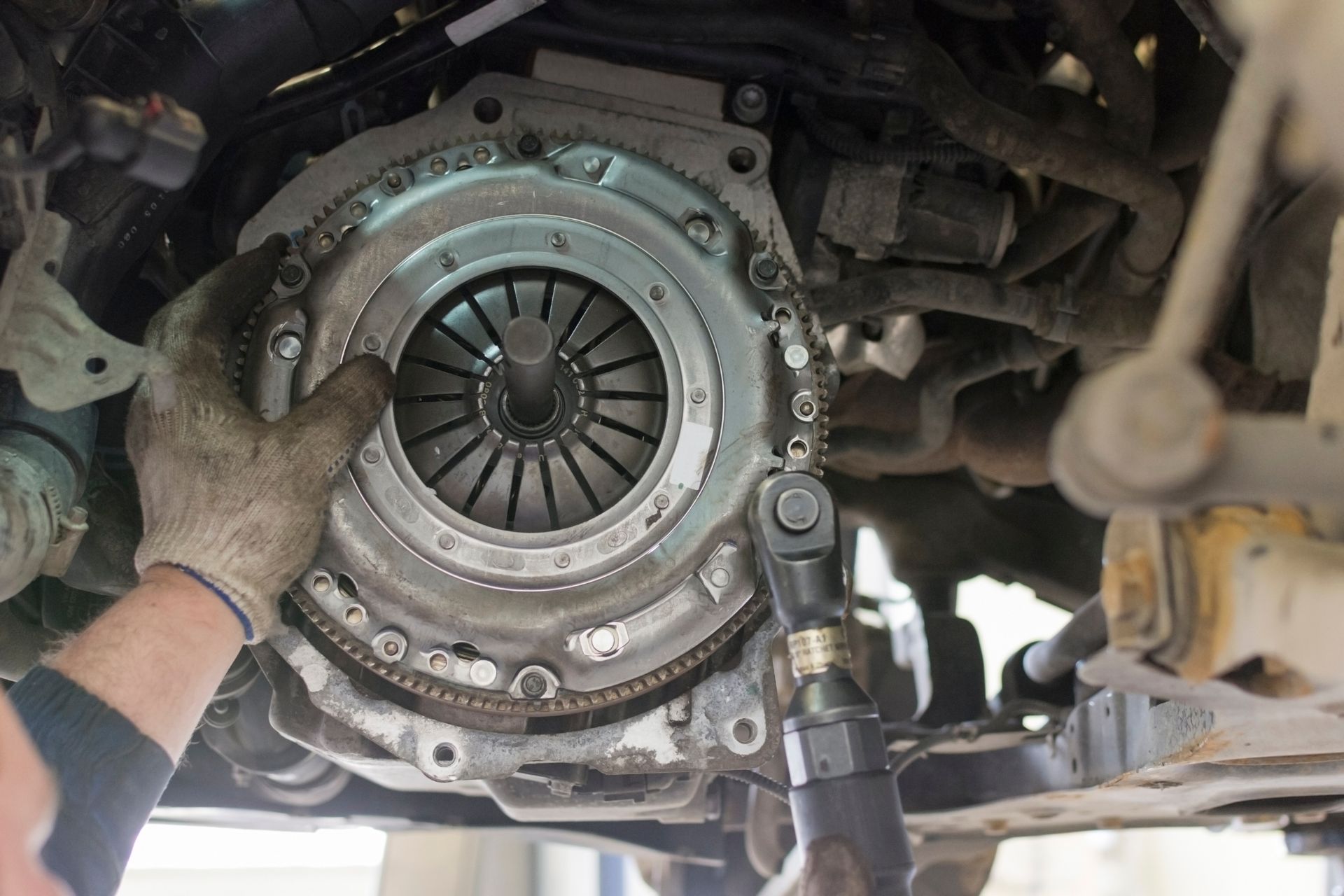
Both gearbox types deliver engine power to the wheels, but they do it in very different ways. In a manual gearbox, the driver uses a clutch pedal and gear stick to change gears by hand. An automatic gearbox does this work on its own, using internal hydraulics and electronic controls to shift at the right moment. For Canberra drivers who regularly need a gearbox repair service, understanding which type you own can affect both how the repair is carried out and what it may cost.
Which Gearbox Suits Canberra's Driving Conditions?
The right gearbox often depends on how and where you drive. Canberra's mix of urban traffic, suburban commutes, and mountain roads creates different demands on a passenger car's transmission.
Automatic Gearboxes for City and Suburban Driving
Automatic gearboxes are often the more comfortable choice for stop-start city commuting. Canberra's inner suburbs and arterial roads can involve frequent braking and acceleration, and an automatic handles all gear changes without driver input. This may reduce fatigue on longer commutes and can be particularly helpful for newer drivers. The trade-off is that automatic gearboxes tend to involve more complex internal components, which can make a gearbox repair service more involved when issues arise.
Manual Gearboxes for Mountain Roads and Fuel Efficiency
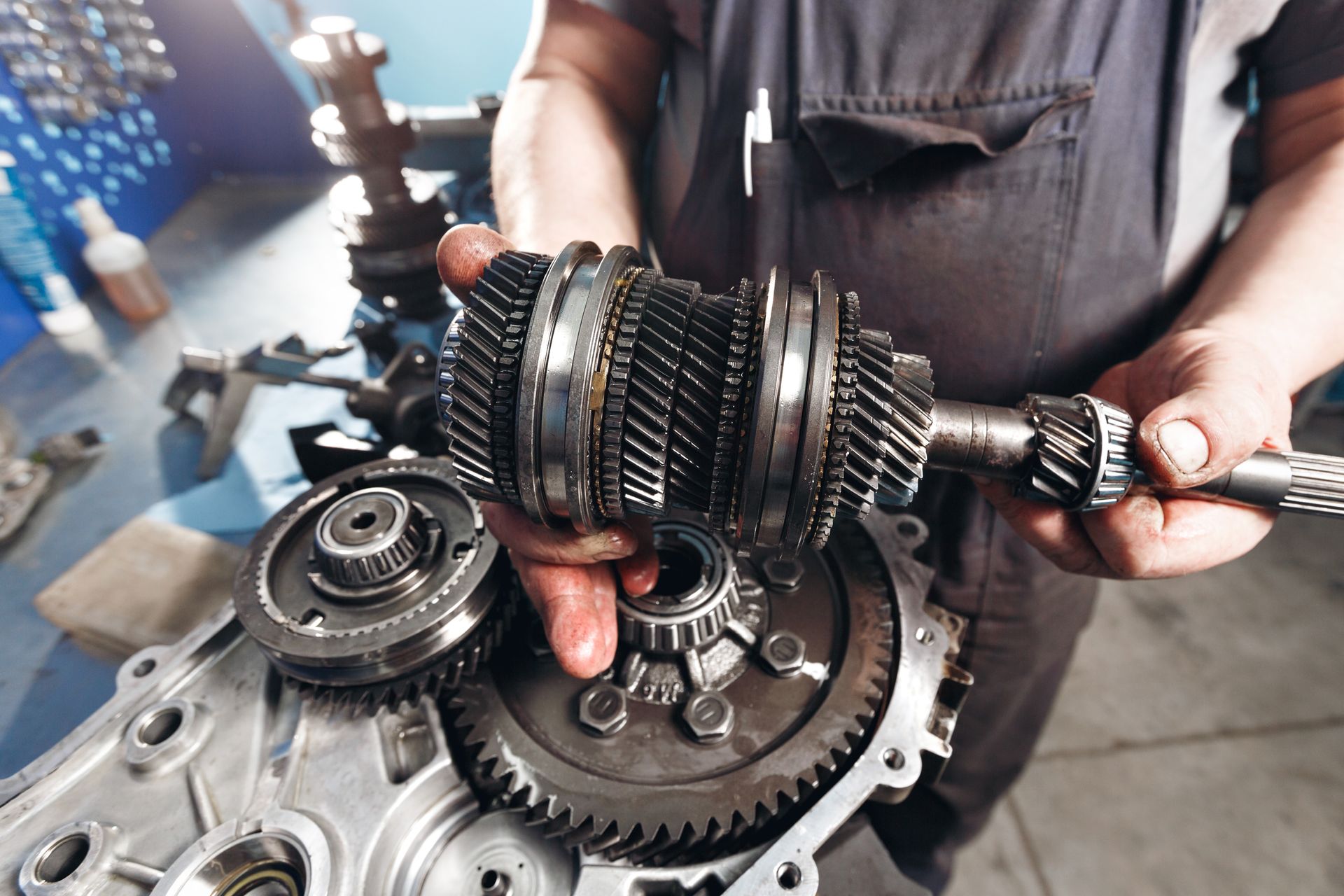
Manual gearboxes can offer more control on winding routes such as those leading into the ACT's mountain regions. Drivers can select lower gears to manage engine braking on descents, which may help reduce brake wear over time. Manual transmissions also tend to have fewer electronic components, which can sometimes make diagnosis and repair more straightforward. For drivers who prioritise fuel economy and want more direct control over their car, a manual gearbox may still be a practical choice.
CVT and Dual-Clutch Options
Some modern passenger cars now use a continuously variable transmission (CVT) or a dual-clutch automatic. CVTs are designed for smooth, efficient driving and are common in smaller passenger cars. Dual-clutch automatics aim to blend the efficiency of a manual with the convenience of an automatic. Both types require specialist diagnostic equipment when they develop faults, so it pays to find a workshop familiar with a wide range of passenger car transmissions.
How Does Each Gearbox Type Affect Maintenance?
Each gearbox type has its own maintenance needs. Both benefit from regular fluid checks and timely servicing. Manual gearboxes may need clutch replacements over time, while automatic gearboxes may require more frequent fluid changes to manage heat and internal wear. Leaving either type unserviced for too long may lead to more costly repairs down the track.
Ready to Talk to a Gearbox Specialist?
Whether you drive a manual or automatic passenger car, the team at
Auto Drive Transmission services all makes and models from their workshop at 2 Isa Street in Fyshwick, ACT. For expert advice or to book your car in, visit the
auto and manual transmission service page or
get in touch with the team directly. Call
02 6280 5425 to speak with a specialist today.